There is that specific moment around 6 PM when the fridge seems to stare back at you, waiting for a decision. We have all been there. You want something savory, hot, and comforting, but the idea of waiting an hour for delivery feels tedious. This Chicken with Mixed Vegetable Stir Fry is my personal answer to that dilemma. It is faster than ordering out, significantly healthier, and gives you total control over the crunch and flavor.
What makes this dish a staple in my kitchen is its flexibility. It works perfectly as a quick weeknight dinner idea when you have bits and pieces of produce that need using up. The glossy savory sauce coats every piece of tender chicken and crisp vegetable, creating that restaurant-quality shine we all crave. You do not need a high-powered wok burner or fancy equipment to make this happen. A standard skillet and a little bit of prep work are all that stand between you and a delicious meal.
The Secret to Tender Chicken (Velveting)
Have you ever wondered why restaurant chicken always tastes so silky and tender while homemade versions can sometimes turn out dry? The secret technique is called “velveting,” and it is much simpler than it sounds. By coating the chicken pieces in cornstarch and a splash of liquid before cooking, you create a protective barrier that seals in moisture. This step is non-negotiable for a truly authentic chicken and vegetable stir-fry experience.
When you prep the meat this way, it can withstand the high heat of the pan without becoming tough. I prefer using chicken breast for its lean profile, but this method ensures it stays juicy. If you have ever felt discouraged by rubbery meat in your easy chicken stir-fry recipe attempts, this small tweak will change your cooking game forever.
Choosing the Right Vegetables
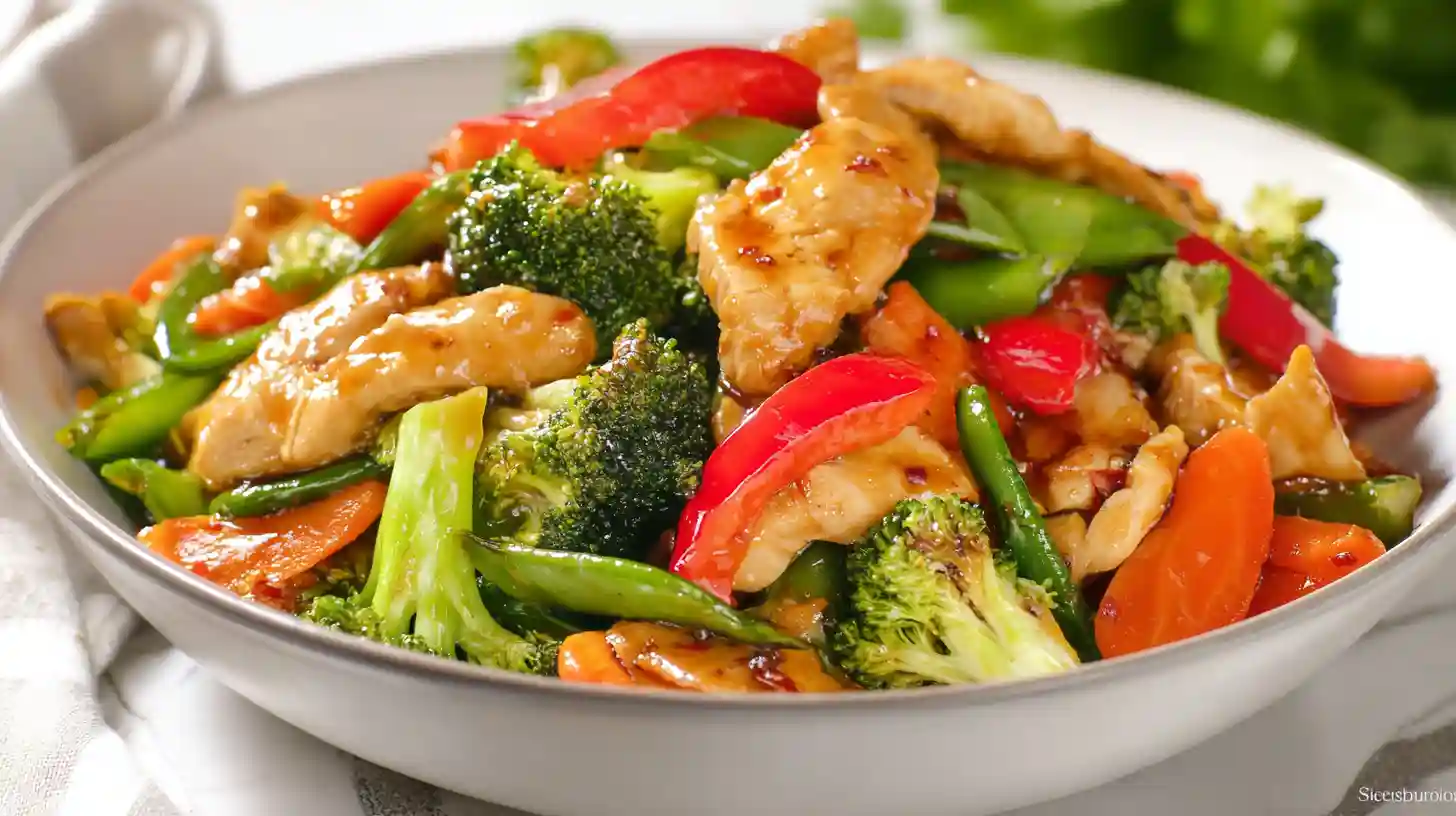
The beauty of a stir-fry lies in the texture contrast. You want vegetables that retain a bit of snap even after hitting the heat. For this recipe, I lean towards a colorful mix that offers different shapes and crunch levels. Broccoli florets are excellent for soaking up sauce, while carrots add a necessary sweetness and firm bite. A healthy vegetable stir-fry isn’t just about nutrition; it is about building a plate that looks as good as it tastes.
Don’t feel restricted to what I use here. Snap peas, baby corn, or sliced mushrooms are fantastic additions. If you are looking for chicken stir fry with peppers, feel free to load up on red and yellow bell peppers. They add a vibrant pop of color and a mild sweetness that balances the salty soy-based sauce beautifully. Just remember to cut everything into uniform sizes so they cook evenly.
The Universal Stir-Fry Sauce
A stir-fry lives or dies by its sauce. Too thin, and it slides right off; too thick, and it becomes gloopy. My go-to sauce is a balanced blend of soy sauce, oyster sauce, and a hint of sesame oil. It delivers that deep umami punch that defines Chinese chicken stir fry recipes without being overly salty. Mixing the sauce in a jar or small bowl before you start cooking is a pro move that keeps you calm when the skillet gets hot.
If you prefer a little heat, a teaspoon of chili paste or crushed red pepper flakes can be whisked right in. The cornstarch in the sauce mixture is what gives it that glossy sheen as it bubbles up. This sauce is versatile enough that you can double the batch and keep it in the fridge for other easy and simple chicken recipes throughout the week.
How to Avoid a Soggy Stir-Fry
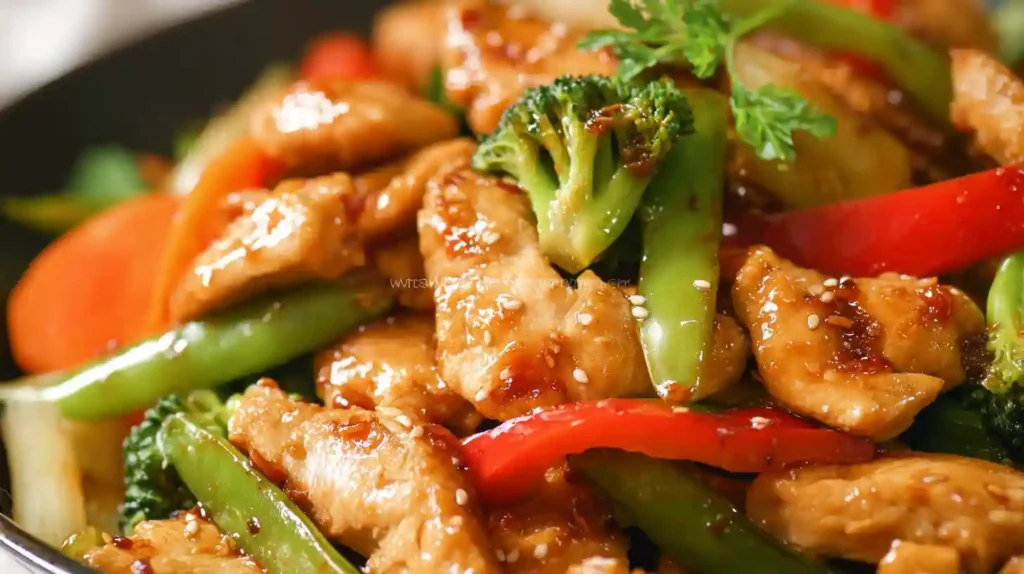
The biggest enemy of a good stir-fry is overcrowding the pan. When too many ingredients are packed in at once, the temperature drops and the vegetables start to steam instead of sear. To get that smoky flavor and crisp texture, cook in batches if your pan is small. Cook the chicken first, remove it, then tackle the vegetables. This ensures your fried chicken with rice style meal maintains distinct textures rather than becoming a soft mash.
Another tip is to have everything chopped and measured before you turn on the stove. Stir-frying is a fast process. Once the oil is hot, things move quickly. Scrambling to chop garlic while the onions are burning is a stress we want to avoid. Mise en place (everything in its place) is the key to how to make stir-fry at home feel effortless.
Ingredient Substitutions
We cook with what we have, and sometimes the pantry is bare. If you don’t have oyster sauce, hoisin sauce works as a sweeter alternative. No soy sauce? Tamari or coconut aminos are great gluten-free options. For the protein, this method works just as well with sliced pork tenderloin or firm tofu if you want a break from chicken. Flexibility is the heart of home cooking.
For the vegetables, frozen mixes can work in a pinch, but fresh is always superior for texture. If you must use frozen, thaw and drain them well to prevent adding excess water to your sauce. Zucchini and green beans are also wonderful, though they cook faster than carrots, so adjust your timing accordingly.
Storage and Reheating Tips
Leftovers of this dish are surprisingly good, making it a solid choice for meal prep. Store the stir-fry in an airtight container in the refrigerator for up to 3 days. The flavors of the sauce actually meld better with the meat overnight. I often make a double batch just to have lunch sorted for the next couple of days.
When reheating, avoid the microwave if you can. A quick toss in a hot skillet with a splash of water brings the texture back to life much better. If you must microwave, cover the dish with a damp paper towel to keep the chicken from drying out. Serve it over fresh steamed rice or noodles for a satisfying meal.
FAQ
Can I make this recipe gluten-free?
Yes, absolutely. Swap the regular soy sauce for Tamari and ensure your oyster sauce is a gluten-free brand. The cornstarch used for velveting is naturally gluten-free, so the texture remains the same.
Can I use chicken thighs instead of breast?
Chicken thighs are actually more flavorful and forgiving than breasts. They work beautifully here. Just trim off excess fat and cut them into bite-sized pieces like you would with the breast meat.
What is the best oil for stir-frying?
You need an oil with a high smoke point. Peanut oil, vegetable oil, or canola oil are standard choices. Avoid extra virgin olive oil as it burns too quickly at high heat and has a strong flavor that clashes with the sauce.
Why is my sauce clumpy?
Clumpy sauce usually happens if the cornstarch wasn’t fully dissolved before heating or if the heat was too high too fast. Whisk your sauce mixture thoroughly right before pouring it into the pan to ensure smoothness.
Can I add nuts to this stir fry?
Definitely. Cashews or peanuts add a wonderful crunch. Toast them dry in the pan for a minute before starting the recipe, then set them aside and toss them back in at the very end.
How do I make the sauce spicy?
The easiest way is to add red pepper flakes, fresh sliced chili peppers, or a dollop of chili garlic sauce (Sambal Oelek) directly into the stir-fry sauce mixture before cooking.

Chicken with Mixed Vegetable Stir Fry
Ingredients
Equipment
Method
- Marinate the sliced chicken with 1 tablespoon soy sauce and cornstarch. Let it sit for 10 minutes while you chop vegetables.
- Whisk together the chicken broth, oyster sauce, remaining soy sauce, and sesame oil in a small bowl to make the sauce.
- Heat 1 tablespoon of oil in a large skillet over medium-high heat. Add chicken and cook for 4-5 minutes until browned and cooked through. Remove from pan.
- Add remaining oil to the same pan. Toss in carrots and broccoli. Stir-fry for 2-3 minutes, adding a splash of water to help steam them slightly.
- Stir in the bell peppers and minced garlic, cooking for another minute until fragrant.
- Return the chicken to the pan and pour over the sauce mixture. Toss everything together for 1-2 minutes until the sauce thickens and coats the ingredients.
- Serve immediately over steamed rice.
Notes
- Prep all ingredients before turning on the heat.
- Don’t overcrowd the pan; cook in batches if needed.