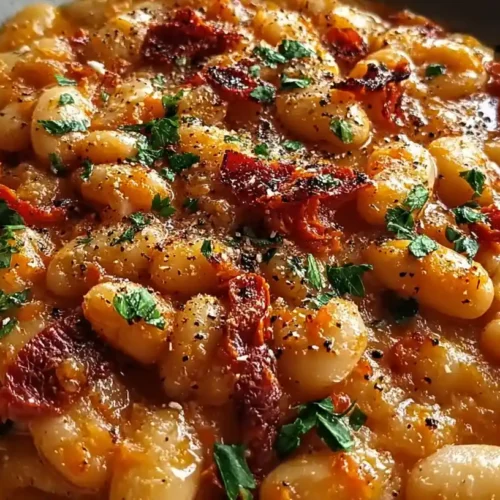
There’s something almost mystical about a pot of Southern black eyed peas simmering on the stove. The smoky scent curls through the air, whispering comfort. Not just because it’s New Year’s Day tradition, though it is, but because this dish holds memory, hope, and history in every spoonful.

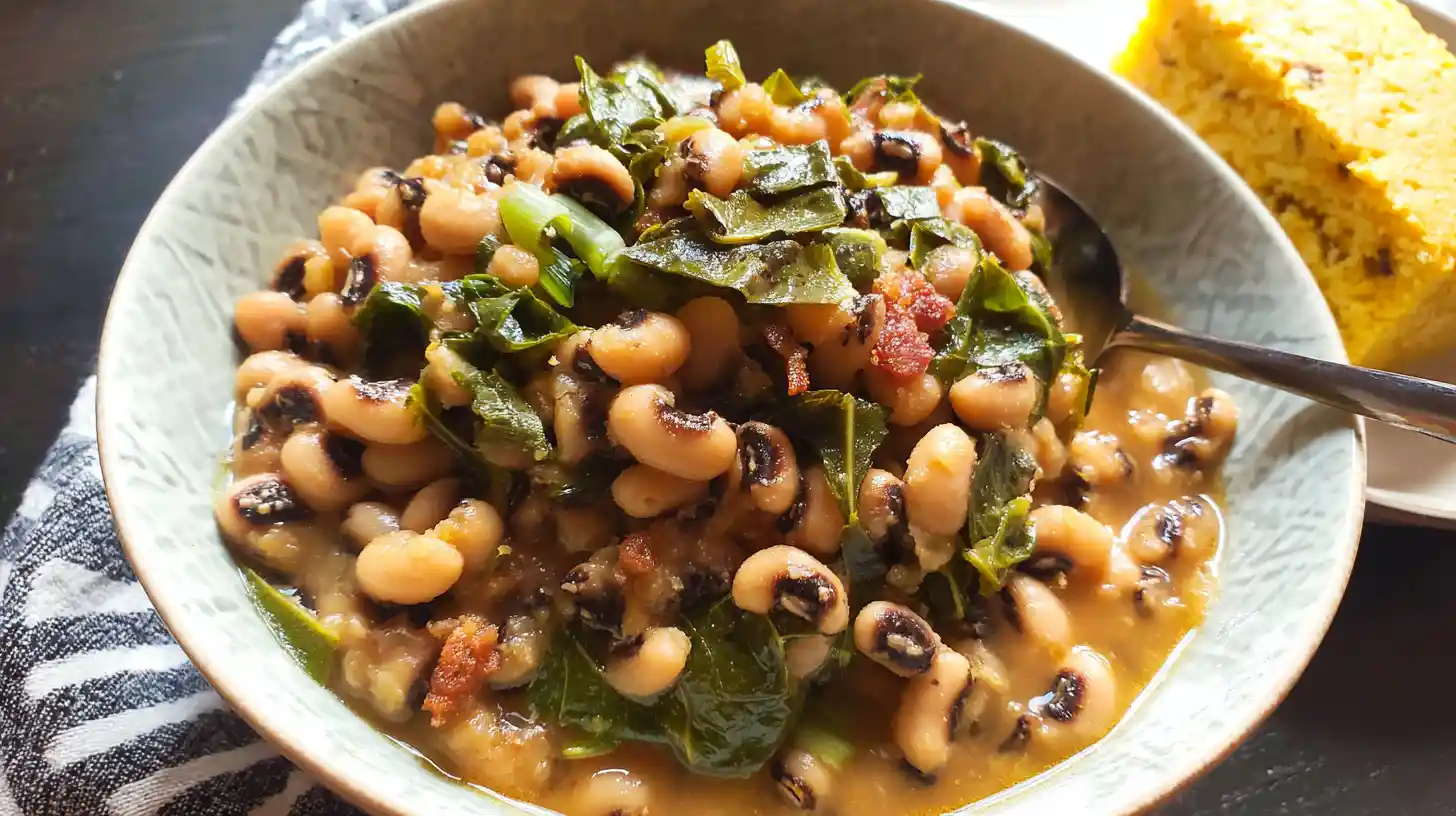
For many of us, black eyed peas aren’t just food. They’re a ritual. A bowl made with bacon, sausage, collard greens, and that deep, savory broth it doesn’t just taste good. It feels right. Like the world might just turn in your favor with the next bite.
I grew up believing they brought luck. But even if that weren’t true (and let’s be honest who’s keeping score?), they still brought everyone to the table. That alone makes them magical.
In this recipe, we’re diving into everything: the tradition, the flavor, and every step to get them just right. Whether you’re making them for New Year’s Day luck or just chasing that soul-warming depth on a random Wednesday, this bowl delivers.
Table of contents
Why We Eat Black Eyed Peas on New Year’s Day
If you’ve ever sat down to a steaming bowl of black eyed peas on January 1st, you’ve tasted more than just beans. You’ve tasted hope. You’ve tasted survival. You’ve tasted a tradition that spans continents and centuries.
The Southern black eyed peas recipe isn’t just a dish it’s a story. One that begins in West Africa, where black eyed peas have been a staple for centuries, long before they ever made their way to American soil. When enslaved Africans brought their seeds, knowledge, and resilience to the Southern U.S., they planted more than crops — they sowed cultural roots.
Why are these humble legumes a symbol of New Year’s luck? Part of it comes down to symbolism: black eyed peas resemble little coins. Collard greens? Folded bills. Cornbread? Gold. And pork — which roots forward as it forages represents progress. Combined, it’s a soul food blueprint for prosperity.
But this isn’t just about superstition. It’s about starting the year with warmth, abundance, and a meal that connects generations.
What Do the Foods Represent?
- Black Eyed Peas = Coins (luck + abundance)
- Collard Greens = Paper money (wealth)
- Cornbread = Gold (richness)
- Pork = Forward movement (progress)
Some families even toss a clean penny into the pot. Whoever finds it in their bowl? Said to be the luckiest of the year.
Ingredients You’ll Need (and Why They Matter)
Every ingredient in this Southern black eyed peas recipe does more than just fill the pot. It tells a story, builds depth, and layers in tradition. Here’s what you’ll need — and why each one earns its spot.
| Ingredient | Quantity | Notes |
|---|---|---|
| Black eyed peas (dry) | 1 pound (453g) | Rinse and soak if desired |
| Bacon | 4–5 slices, chopped | Adds smoky flavor |
| Smoked sausage or turkey | 5 oz (about 1 cup), diced | Can substitute with ham hock or smoked turkey |
| Onion | 1 large, diced | For base flavor |
| Celery | 1 stalk, diced | Adds aroma and crunch |
| Garlic | 2–3 tsp, minced | Fresh is best |
| Jalapeño (optional) | 1, minced | Or use ¼ tsp cayenne for heat |
| Fresh thyme | 2 tsp, minced | Adds herbal depth |
| Bay leaf | 1 leaf | Remove before serving |
| Creole seasoning | 1–2 tsp | Or adjust to taste |
| Chicken broth | 7–8 cups | For simmering and flavor |
| Collard greens (or kale) | 2 cups or more | Stir in at the end |
| Salt & pepper | To taste | Adjust at the end |
Step-by-Step Cooking Instructions (Made Simple)
Let’s walk through exactly how to make Southern black eyed peas that hit all the right notes — creamy, smoky, deeply seasoned, and cooked just right. Don’t worry, it’s less complicated than it looks. The pot does most of the work — you just guide the flavor.
Step 1: Soak the Beans (Optional, but Recommended)
- Why soak? It shortens cooking time and helps with digestion.
- Rinse the peas and remove any debris or broken pieces.
- Cover with water (about 3–4 inches above the beans) and let sit for 2–3 hours, or overnight in the fridge.
Short on time? You can skip soaking, but add 20–30 minutes to your simmer time later.
Step 2: Brown the Bacon and Sausage
- In a large pot or Dutch oven, cook chopped bacon over medium heat until crispy (about 4–5 minutes).
- Add smoked sausage or turkey, and sauté for 2–3 more minutes to release the flavor.
- Remove both meats with a slotted spoon and set aside. Leave a bit of fat in the pot for flavor.
Step 3: Sauté the Aromatics
- To the same pot, add onion, celery, garlic, jalapeño, thyme, and bay leaf.
- Cook over medium heat for 4–5 minutes, until the onions soften and everything smells irresistible.
Step 4: Add Broth and Beans
- Pour in chicken broth (or water if you must).
- Drain and rinse your soaked peas, then add them to the pot.
- Stir in Creole seasoning and salt to taste.
- Bring everything to a gentle boil.
Step 5: Simmer Until Creamy
- Reduce heat to low, cover partially, and simmer for 20 minutes.
- Stir occasionally and keep an eye on the liquid level.
Then:
- Add collard greens, bacon, and sausage back to the pot.
- Simmer for another 10–15 minutes, or until the peas are tender and the broth thickens.
Pro tip: For extra creaminess, mash a few peas against the side of the pot — or blend a small portion and stir it back in.
Step 6: Taste, Adjust & Serve
- Remove the bay leaf.
- Taste and adjust seasoning (salt, pepper, Creole spice).
- Serve hot over rice, with green onions on top and cornbread on the side if you’re doing it right.
How do I keep black eyed peas from turning mushy?
Watch the cook time. Once they’re tender, don’t overdo it. Also, avoid adding canned peas too early they only need a few minutes to heat through.
Flavor Boosters & Southern Black Eyed Peas Variations
Sure, the classic Southern black eyed peas recipe is already full of rich, smoky flavor — but if you’re anything like me, you like options. Some days call for tradition. Other days? A little twist goes a long way.
Let’s explore how to mix things up without losing that soul-satisfying essence.
1. Add Coconut Milk for a Tropical Creaminess
Sounds unexpected, right? But it works. Add half a cup of coconut milk in the last 10 minutes of cooking for a creamy, lightly sweet twist. It deepens the broth and adds body — perfect for anyone who loves Caribbean-style beans.
2. Toss in Tomatoes for Tang
If you like a bit of brightness in your bean dishes, stir in:
- 1 cup fresh diced tomatoes, or
- ½ cup tomato sauce
Add it right after the sautéed aromatics, before the broth. The acidity wakes everything up and balances the smoky meats.
3. Make It Vegan (Yes, It Still Slaps)
Skip the bacon and sausage, and use olive oil or smoked paprika to build flavor.
Swap the chicken broth for vegetable broth, and load it up with:
- Carrots
- Bell peppers
- Extra garlic
- A pinch of liquid smoke (optional but magic)
4. Crockpot Version (Set It and Forget It)
This is the lazy genius version. Add everything except the collards to your slow cooker:
- High = 5–6 hours
- Low = 8–9 hours
- Add the greens in the last hour
Bonus: your kitchen will smell like New Year’s joy all day long.
5. Heat It Up
Want more kick? Try:
- Extra jalapeños
- A touch of cayenne pepper
- Smoked paprika
- Or even a splash of hot sauce at the end
Make-Ahead, Freezing & Reheating Tips
Let’s be honest: part of the magic of Southern black eyed peas is how even better they taste the next day. The flavors deepen, the broth thickens it’s like the dish figures itself out overnight.
So if you’re thinking about making a big batch ahead of time (or wondering what to do with leftovers), here’s the full rundown.
Make-Ahead Tips
- 1–2 Days Ahead: This dish holds beautifully in the fridge. Just store it in an airtight container and reheat gently when needed.
- Cook in Stages: You can make the peas and aromatics first, then add meats and greens on the day you serve for a fresher finish.
- Meal Prep Tip: Store in single-serving containers for easy grab-and-go lunches.
How to Freeze Black Eyed Peas
This dish freezes like a dream. Here’s how:
- Cool completely before freezing.
- Use freezer-safe containers or heavy-duty zip-top bags.
- Label with date. (You think you’ll remember — you won’t.)
- Lay bags flat in the freezer to save space.
- Shelf Life:
- In fridge: 3–5 days
- In freezer: Up to 6 months
Reheating Instructions
- From the Fridge: Simmer in a pot over medium-low heat, adding a splash of broth or water if it’s too thick.
- From the Freezer: Thaw overnight in the fridge, then reheat the same way or microwave in a pinch.
Pro tip: Don’t boil. Gentle heat preserves texture and flavor.
What to Serve With Black Eyed Peas
Sure, a bowl of Southern black eyed peas can hold its own but when it’s surrounded by the right sides, it transforms into something legendary. Whether you’re cooking for a New Year’s gathering, a soul food Sunday, or just chasing comfort on a Tuesday night, these pairings elevate the whole meal.
Collard Greens = Paper Money
It’s tradition. Collard greens symbolize folded dollar bills — a sign of prosperity when eaten on January 1st. Bonus: they add a slightly bitter, earthy contrast that balances the smoky richness of the peas.
Cornbread = Gold
Sweet or savory, crumbly or cakey cornbread is the golden ticket.
Serve it warm and buttered on the side (or better yet, let it soak up some of that broth).
Pork = Progress
Why pork? Because pigs root forward when they eat, it’s symbolic of moving ahead in life.
Common pairings:
- Smoked ham hock
- Pork roast
- Bacon-topped greens
Just… maybe skip the chicken or lobster on New Year’s. Folklore says they move backward or swim away — not great luck vibes.
Other Great Pairings
- Steamed white rice (classic, clean base)
- Hush puppies (deep-fried cornmeal joy)
- Candied yams (sweet + smoky = balance)
- Fried cabbage or okra (crunch meets soul)
What’s the traditional New Year’s Day plate?
A “lucky” Southern New Year’s plate usually includes:
- Black eyed peas (coins)
- Collard greens (cash)
- Cornbread (gold)
- Pork (progress)
Together, it’s not just dinner it’s a wish for health, wealth, and forward motion in the year ahead.
FAQs
Do I need to soak black eyed peas before cooking?
No, but it helps. Soaking is optional. If you soak them for 2–8 hours (or overnight), they cook faster and may be easier to digest. But if you’re short on time, just rinse and cook a bit longer. No biggie.
Can I use canned black eyed peas?
Yes, with caution. Since canned peas are already cooked, add them only in the last 10–15 minutes of simmering. Otherwise, they can turn mushy. Rinse them well to remove extra sodium.
Why do people put coins in black eyed peas?
It’s an old Southern tradition. People used to toss clean pennies or dimes into the pot for luck. Whoever finds the coin in their bowl is said to have extra good fortune in the new year. (Just… warn your guests.)
How do I make black eyed peas creamy?
Two easy ways:
- Mash a few peas against the side of the pot and stir.
- Blend a cup of the peas and broth, then return it to the pot.
This thickens the dish naturally no cream needed.
Are black eyed peas only for New Year’s?
Definitely not. While they’re a New Year’s tradition, they make a great comfort dish year-round — especially in cold weather or any time you need something hearty and satisfying.

Southern Black Eyed Peas Recipe
Ingredients
Equipment
Method
- Step 1: Soak black eyed peas in cold water for 2–3 hours or overnight. Drain and rinse before cooking.
- Step 2: In a large pot, cook chopped bacon over medium heat until crispy. Add smoked sausage and sauté for 2–3 minutes. Remove both and set aside.
- Step 3: In the same pot, sauté onion, celery, garlic, jalapeño, thyme, and bay leaf until onions are soft and fragrant (about 4–5 minutes).
- Step 4: Add chicken broth and drained black eyed peas. Stir in Creole seasoning, salt, and pepper. Bring to a boil.
- Step 5: Reduce heat and simmer uncovered for 20 minutes. Add collard greens, bacon, and sausage back to the pot. Continue cooking for another 10–15 minutes until peas are tender and the broth is slightly thickened.
- Step 6: Adjust seasonings to taste. Remove bay leaf and serve hot over rice, garnished with green onion if desired.
Notes
Looking for more cooking and baking inspiration? Browse our Pinterest boards or join the conversation with us on Facebook.
Conclusion
At its core, this Southern black eyed peas recipe isn’t just about cooking it’s about connection. To history. To family. To flavor that tells a deeper story.
You’ve now got the step-by-step know-how, flavor variations, storage tips, and even the lucky pairings to make this dish your own, whether it’s for New Year’s Day or just because your soul needs a little warmth.
So the next time you hear that pot simmering or smell bacon in the air, remember: this isn’t just comfort food. It’s a quiet celebration. Of resilience. Of heritage. Of everything that makes a humble bowl of black eyed peas feel like home.
Try it. Tweak it. Pass it on.